Consumer Foresight

Consumer Clarity for Fashion Brands: Know Exactly Who You’re Designing For

The most successful fashion brands don’t just know who buys from them – they know why they buy. Yet many design and product teams still rely on outdated personas, gut instinct, or last season’s sales data.

Understand your true customer, not just their demographics

If you’ve ever wondered:

  • What’s the best way to define fashion customer segments in 2026 and beyond
  • How can we build accurate customer personas for our fashion, active or lifestyle
  • What are the differences between Gen Z and Millennial fashion preferences
  • How do regional style differences – for example between UK and EU womenswear – affect trend adoption?
  • How do size inclusivity insights and plus-size buying behavior shape product decisions?
  • How is fitness, wellness or urban lifestyle evolving in 2026 and beyond?

You’re asking the right questions. The problem isn’t lack of data – it’s lack of clarity.
We can help.


The challenge: blurred consumer vision

Design, buying and marketing teams are making critical creative and commercial decisions based on incomplete or outdated information.

Common challenges include:

  • Personas based on age, location and other demographics, not mindset and behavior
  • Internal opinions replacing validated insight
  • Market-level differences misunderstood or ignored
  • Over-reliance on trend “themes” without consumer linkage
  • Information is backward-looking, not future facing

The result? Missed opportunities, inconsistent product stories, and collections that feel out of sync with what consumers truly want.

The Trendstop solution: The Consumer Foresight Framework

At Trendstop, we help fashion and lifestyle brands replace guesswork with clarity through our Consumer Foresight Framework – proprietary, data-validated profiling that reveals who your customer really is and what drives their buying decisions.

Data-validated customer segmentation

We analyze millions of consumer behavior data points to build segmentation around mindset, values and aesthetic preferences, not surface-level demographics.

Understand how your consumer thinks, not just what they buy.

Market-level and generational insights

Our Foresight Framework pinpoints how Gen Z, Millennials and Gen Alpha think differently, and how those mindset differences drive distinct lifestyle, fashion and content choices.
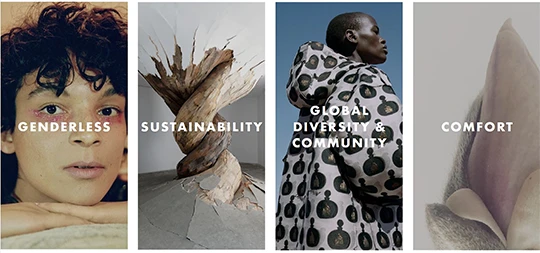
Design for the right audience at the right moment.

Visual persona mapping

We create visual, easy-to-use persona maps that bring each customer segment to life, including their lifestyle, mood, materials, silhouette and cultural references.
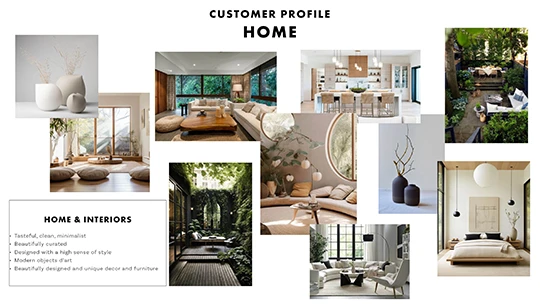
Your teams have a clear “bible” to plan consumer relevant ranges and storytelling.

Regional differentiation

Understand regional style codes across key global markets, and how cultural preferences shape design decisions across North America, UK, EU, Middle East and Asia.
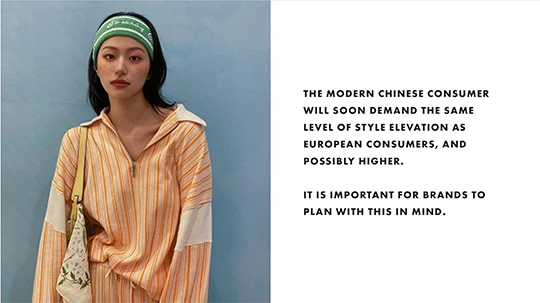
Make locally relevant decisions while maintaining global brand coherence.

Size inclusivity and mindset

Get clarity on how plus size and body-inclusive consumers make emotional style decisions, and what language, silhouettes and visual cues signal authenticity.
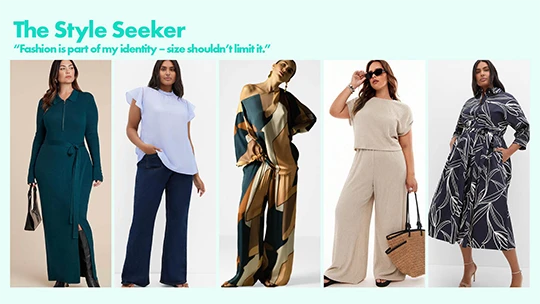
Design collections that genuinely resonate and build long-term loyalty.

Fitness, wellness, and urban lifestyle mindsets

We map how fitness, wellness and urban living are evolving beyond performance into identity, balance, and everyday self-expression, and how shifting routines, values and environments shape your customers’ product, style and brand expectations.
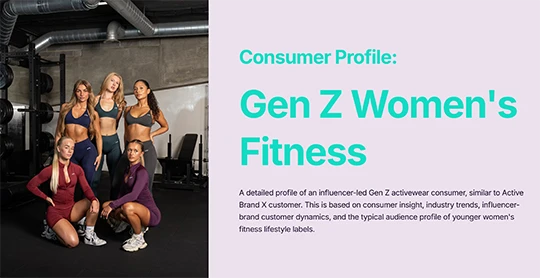
Design for authentic future lifestyles, not just functional use cases.

From confusion to clarity: What your teams gain

CHALLENGE OUTCOME
Outdated or generic personas Teams aligned on a single, evidence-based customer truth
Weak link between trends and consumer need Product and marketing guided by real consumer values and expectations
Regional mismatch Collections that genuinely resonate and build long-term loyalty
Missed inclusivity opportunities Confident, relevant product storytelling
Product functional focus, cultural disconnect Align authentically with your consumers’ lifestyle expectations

Why leading fashion & lifestyle brands choose Trendstop

Unlike traditional market reports, generic trend forecasting or AI-only solutions, Trendstop’s consumer-first forecasting model combines behavioral science, aesthetic intelligence, cultural insight and business strategy.

Trendstop’s 25 years’ experience in forecasting consumer, cultural and fashion trends delivers 97% accuracy in predicting early consumer adoption, helping your teams make confident, data-backed creative and commercial decisions.

Trendstop are a breath of fresh air. They took the time to really understand our business and work with us to digest trends and build a stronger product offering.

Global VP Product Timberland

Ready to meet your true consumer?

Discover how our Consumer Foresight Framework can help your brand:

  • Define your customer segments with precision and lifestyle relevance
  • Build design guardrails aligned with true consumer expectations
  • Streamline collaboration between creative, product and marketing teams

Book a 30 mins consultation to explore how we can map your customers’ DNA and turn insight into profitable product and storytelling direction.

BOOK NOW

Why Fashion Consumer Clarity Is Essential for Modern Brands

This Consumer Clarity Guide gives fashion brands, active brands, lifestyle brands, urban brands and youth-focused brands a sharper view of the real consumer driving their market. Many companies still work with outdated fashion personas or demographic sketches that no longer reflect how customers think, live or express themselves. This gap creates uncertainty in design, inconsistent storytelling and products that miss the emotional and stylistic cues today’s consumer expects. The guide restores true fashion consumer insight by focusing on behaviour, mindset and lifestyle rather than broad assumptions. It brings the modern fashion consumer back into focus as a cultural participant, not a flat demographic target.

Customer Segmentation Built on Mindset and Lifestyle

Instead of recycling generic fashion trend summaries, the guide breaks down the deeper motives that shape fashion decisions. It looks at lifestyle patterns, personal values, aesthetic drivers and the emotional triggers behind buying behaviour. By defining customer segmentation through mindset rather than age, the guide creates clearer distinctions between Gen Z, Millennials and Gen Alpha. These generations share a visual landscape, yet their priorities and motivations differ in ways that matter for design, product strategy and marketing direction. This level of consumer clarity helps brand directors and strategy leaders build more accurate briefs and stronger creative alignment across teams.

Regional Fashion Preferences and Market-Level Behaviour

Regional fashion differences are a major influence on product success, and the guide outlines these variations with practical detail. Consumers in the UK, Europe, North America, the Middle East and Asia all interpret global fashion trends through their own cultural and lifestyle filters. Silhouette, colour, styling and outfit composition shift from region to region. By mapping these patterns, the guide gives fashion brands a more precise view of how to localise product and messaging while maintaining global brand coherence. This level of fashion consumer insight supports more strategic assortment planning and reduces costly misreads of market behaviour.

Plus Size Consumer Insight and Inclusive Fashion Mindset

Size inclusivity remains one of the most misunderstood areas in fashion consumer behaviour. The guide explores the plus-size consumer mindset with specificity, highlighting how confidence, trust and authenticity influence buying decisions. It identifies the silhouettes, proportions and visual cues that help brands build credibility with body-inclusive consumers. Instead of treating inclusivity as an afterthought, the guide positions it as a core component of modern customer segmentation and long-term brand loyalty.

Lifestyle Trends Shaping Fashion, Active and Urban Consumers

Lifestyle-driven fashion trends are now central to product development. Fitness, wellness and urban living shape the way consumers choose fabrics, silhouettes and styling throughout the day. The guide maps how these lifestyle shifts influence fashion expectations across activewear, lifestyle wear and hybrid categories. This gives fashion brands clearer direction when designing collections for consumers who blend comfort, function and self-expression. Understanding these lifestyle trends improves forecasting accuracy and strengthens the connection between product and real-world behaviour.

Visual Fashion Personas for Clearer Creative Direction

The guide’s visual persona mapping translates fashion consumer insight into clear, practical tools. Each persona is expressed through silhouette preferences, material choices, cultural references, mood direction and lifestyle cues. These fashion personas help teams visualise their customer and reduce internal debate or misinterpretation. Designers, marketers and buyers gain a shared starting point, making product development and brand storytelling more coherent and consumer-led.


A Strategic Framework for Fashion and Lifestyle Brand Leaders

For senior leaders, this Consumer Clarity Guide provides a stable framework for decision-making. It reinforces the link between fashion consumer behaviour and trend adoption, strengthens regional strategy, supports inclusive design and builds a more grounded understanding of lifestyle-driven fashion expectations. Most importantly, it delivers one aligned view of the customer so teams can design with intention rather than assumption.

This guide gives fashion brands and lifestyle brands the consumer clarity needed to stay relevant. It offers a clear, research-backed picture of the people shaping today’s fashion market and the consumers who will influence its future. For directors, strategists and marketing leaders aiming to refine direction and achieve stronger alignment, this guide provides the insight required to make confident, customer-focused decisions.